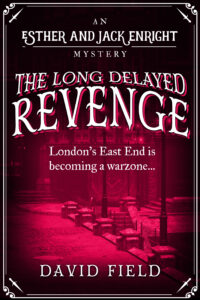
The Long Delayed Revenge is Out Now!

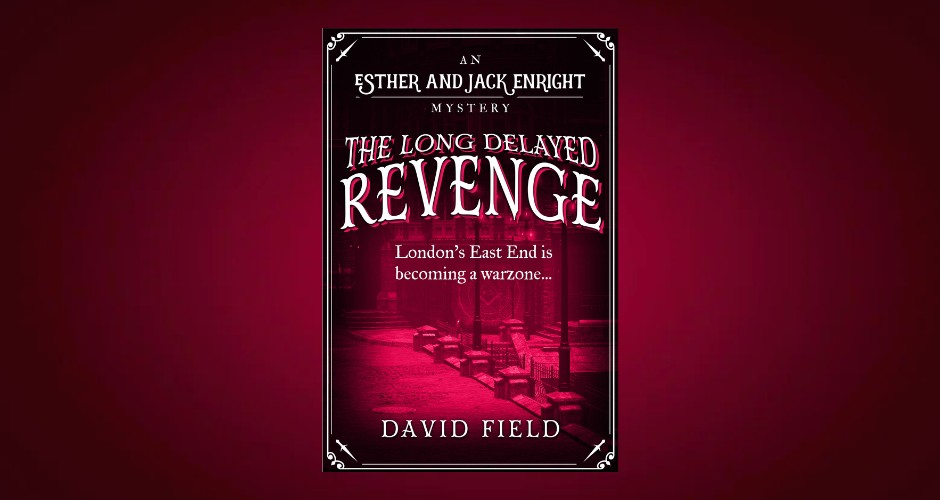
Congratulations to David Field, whose Victorian thriller, The Long Delayed Revenge, is out now!

The Long Delayed Revenge is the tenth instalment in the Esther and Jack Enright Mystery Series – a traditional British detective series set in Victorian London and packed full of suspense.

London, 1899

Jack and Esther Enright, with their four children in tow, have recently moved to a comfortable new home. Esther has settled into her dream job as headmistress of the local private school, owned by her mentor Emily Allsop.

But things are not going so well for Jack. Though he does not mind the commute to his high-ranking desk job at New Scotland Yard, he is disturbed by the level of recent resignations in by uniformed constables in the East End.

Though the police force has always been used to tackling crime in the more impoverished parts of London, a recent influx of Russian immigrants has led to gang warfare and vigilante justice which is proving impossible to control.

And when Esther’s school is vandalised with a disturbing message, he finds his detective skills are needed closer to home as well.

Things escalate when one of the young pupils is abducted and Jack needs all the help he can get in finding the perpetrator before it is too late.

Can Jack and Esther solve another case together? Will they rescue the child in time?

Or will the unrest in London prove too much for even Jack to handle…?

Sapere Books Signs Three New Sherlock Holmes Mysteries by Linda Stratmann

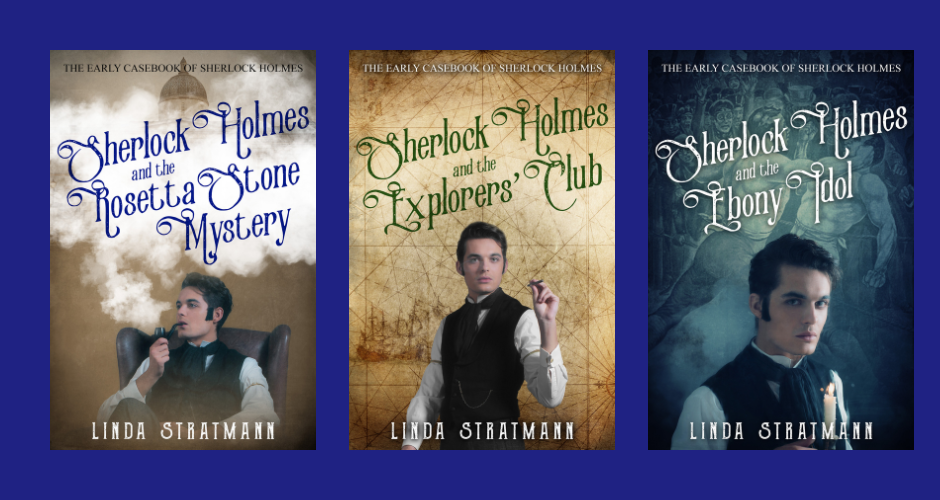
We’re thrilled to announce that we have signed three new instalments of the Early Casebook of Sherlock Holmes series by Linda Stratmann.

The series follows a young Sherlock Holmes and his acquaintance, medical student Mr Stamford, as they unravel mysteries and unmask devious killers.

In Linda’s words:

“I am delighted to continue the adventures of a youthful Holmes, before he met Dr Watson. A little about what to expect next: in the Halloween-themed Widow’s Key, an unexpected legacy creates a furore, with deadly mysteries to uncover.  In The Aeronauts, murder is sky-high, and escaped balloons cause peril both aloft and below. The Ghost of Lodge Thirteen finds Holmes and Stamford in Brighton. Richard Scarletti has been accused of murder, and his sister Mina (from the Mina Scarletti Mysteries) and Holmes form a powerful detective alliance.”

To keep up to date with Linda’s newest releases, visit her website and sign up to her newsletter.

Yorick vs Psycho, or The Child in a Box by Linda Stratmann

 Linda Stratmann is the author of the Mina Scarletti Mysteries and the Early Casebook of Sherlock Holmes series.

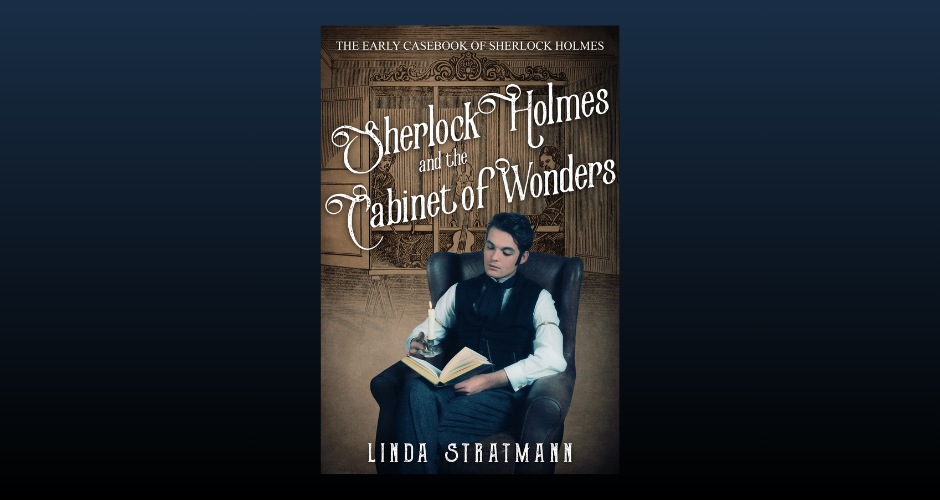
One of the great joys of historical research is discovering untold and fascinating true stories. This is one I found during my reading for Sherlock Holmes and the Cabinet of Wonders, which inspired part of the plot.
On 8 January 1878 an unusual statement was printed on the front page of The Scotsman newspaper. The title was ‘YORICK — WHAT IS IT?’ and the author, announcing ‘challenge accepted’, was one of the most accomplished and famous magicians of his day. John Nevil Maskelyne was a mechanical genius, the constructor of a whist-playing automaton called Psycho. He was the lessee of the Egyptian Hall theatre in Piccadilly, known as ‘England’s Home of Mystery’, where he performed illusions and debunked spirit mediums. He was also, judging by the tone of the piece in The Scotsman, extremely annoyed. His ire was aimed at two men: William Alexander, under whose management a rival of Psycho called Yorick was being exhibited, and the conjuror Boz who took the stage.

After briefly holding the licence of the York Hotel in Weston-super-Mare, Alexander had decided on a new career, promoting conjurors and illusionists. It is not known what previous experience he might have had, but he brought to his profession the ability to manufacture glowing endorsements, shameless theft of other men’s material, and a complete ignorance of the laws of libel.

‘Boz’ was born William Arthur Weston, in Brighton, in 1847. His father was a gunsmith and his mother a dyer. In common with many youthful enthusiasts of the art of conjuring, he had become fascinated with the American Davenport Brothers who toured England in 1864-5, bringing with them a miraculous cabinet. When the brothers were securely tied in the cabinet, all kinds of manifestations were produced, both musical and visual, which many onlookers believed to be the work of spirits. Weston, convinced that their act was trickery, determined to work out how it was done. He chanced to meet George William Buck, a skilled and successful professional conjurer born in 1836, who worked under the name Herr Dobler. The two discovered a mutual interest and pooled their information. After collaborating to perform an exposé of the Davenports’ methods, Dobler hired Weston as his assistant, and they went on tour. In 1866, however, Weston’s father died, and he was obliged to return to Brighton and the trade of dyeing. The flame of ambition still burned, and Weston hoped for an opportunity to take to the stage again.

This eventually came about when he met William Alexander, who by 1875 was managing the career of Herr Dobler. Coincidentally, Alexander had just spotted a new money-spinner, and all he needed was a man with some stage experience who could play a part and was happy to comply with his unusual promotional methods. He terminated his arrangement with Dobler and engaged Weston, who was now advertised as ‘Boz’.

Before long, posters were appearing under the heading ‘Alexander’s Sensations’, advertising Boz and the astonishing Yorick, a whist-playing automaton. The glowing reviews of this extraordinary device were probably written either by Alexander or Weston. Herr Dobler was especially shocked to see that the advertisements were using his playbills and lithographs and were posted in towns where he was appearing. Worse still, Weston was now claiming that he alone had devised the method of exposing the Davenports, and taught it to Dobler, who had been profiting ever since from his work. When Dobler objected, he was accused of being an impostor, taking the name and reputation of another man, a conjuror named Ludwig Dobler who had died in 1864.

Dobler sued both Alexander and Weston for libel and they made a counterclaim against him. The case came before the Bristol assizes in July 1877, where Dobler’s counsel pointed out that English conjurors often performed under foreign names to enhance their attractiveness, ‘for foreigners were supposed to be more clever than English people.’ The case was stopped with the agreement that the imputations would be withdrawn on both sides, and the offensive advertisements not repeated.

Boz and Alexander had suffered little from this spat. They continued their career as before, the advertisements and reviews becoming even more exuberant, the claims more fantastical, and the audiences larger. Their confidence was misplaced, since they had reckoned without John Nevil Maskelyne.

Maskelyne, born in 1839, had been apprenticed to a watchmaker. He became fascinated by stage illusions and seances when he was asked to repair a mysterious mechanical device. The owner was unusually coy about describing its function, and Maskelyne realised that it was used by mediums to fake spirit rapping. After he and his friend George Cooke successfully replicated the Davenport Brothers’ act without the aid of spirits, they commenced a career as conjurers and illusionists and first appeared at the Egyptian Hall in 1873.

Maskelyne had spent more than two years devising and assembling his whist-playing automaton Psycho, the workings of which were a closely guarded secret. He was therefore highly displeased to see Alexander’s advertisements claiming that the young pretender Yorick, which as illustrated on a handbill appeared identical to Psycho, was superior in both construction and operation. However, he had strong suspicions that Yorick, whatever wonders it might perform, was not an automaton.

Yorick and Boz had commenced their glittering career early in 1877 at Weston-super-Mare. Yorick, billed as ‘the most perfect automatic clairvoyant in the world’ was said not only to play whist but also perform mental arithmetic, read, write and spell. It could even, so it was claimed, submit to the test of a naked sword being passed through its body in four distinct places, and being taken to pieces in full view of the audience. There is no evidence that these tests were ever applied.

Yorick moved on to Bristol, the advertisements now boldly claiming that Psycho had been superseded. The tour was in full flow, with bookings pouring in: Liverpool, Manchester and Leicester were to follow.

It was during the Edinburgh appearances in December 1877 that Maskelyne’s patience expired. He and Cooke published newspaper announcements cautioning the public against a ‘gross imposition’ by conjurors exhibiting ‘a trick consisting of a child concealed in an Octagon Box about 24 inches wide and 12 inches deep upon which the bust of a figure is placed’. It was the child, not machinery, that caused the figure to move. Maskelyne did not mind sincere imitations but objected to crude copies said to be superior to Psycho, in an attempt to injure his hard-earned reputation.  At the Egyptian Hall, members of the audience were invited to come up onto the stage and examine the interior of Psycho and the box on which it sat, but, he said, the exhibitors of ‘spurious imitations’ could allow no-one to examine theirs.

On 4 January, The Scotsman published Alexander’s response. He claimed that audience members were permitted to examine Yorick, which he insisted was a genuine automaton on the same principle as Psycho. He challenged Maskelyne and Cooke, who he now alleged were simply the exhibitors of a figure made by another man named Clark [sic], to disprove his claims. The wager was worth £100, the loser to hand this sum to the Edinburgh Infirmary.

Maskelyne eagerly accepted the challenge in his statement of 8 January. He had always acknowledged that a friend of his called Clarke had assisted with the theory and early development of Psycho, but he alone had built the mechanism. Crucially, he now revealed the whole of Yorick’s secret. For the last two years, copies of Psycho had been made and sold in London. Although claimed to be genuine automata, they were designed so that their movements could be controlled by a child concealed in the apparatus. Mr Alexander had purchased one and engaged a little boy to work it, and Mr Weston, as Boz, to present it to the public. It was then advertised as the most wonderful automaton in the world, costing £1,000 to construct. During the performance, Boz told his audience that Yorick operated on the same principle as Psycho but was superior. He even claimed that he was the inventor and Mr Maskelyne the imitator.

Maskelyne now issued a devastating counterchallenge. He proposed to send a representative to Edinburgh who would spare no labour or expense to prove that he had just cause for his caution to the public. He offered to place £200 with a committee of Edinburgh gentlemen, to be paid to the infirmary if his statement was shown to be untrue. If it was true, then Mr Alexander was to pay £100 to the infirmary. The loser of the wager was to pay all the expenses of obtaining the evidence and advertising the result in The Scotsman.

William Alexander now knew that the man he had taunted was willing to do everything in his considerable power to defend his reputation. Maskelyne repeated his challenge, which was never accepted.

Alexander continued to expand his operation. He obtained a second figure worked by a child, which he presented as the original Yorick. In February 1878 he had a new sensation to announce. Extraordinarily, he had partnered again with Herr Dobler — the same man who had previously sued him for libel — who would be appearing with a marvellous automaton, similar to Psycho, dressed as a king and called Rex. This association did not last long. Dobler returned to his former act and sued Alexander for unpaid wages.

The performances of Boz and Yorick continued, the advertisements now carefully avoiding libel, but the secret was out, and bookings dried up before the end of 1878.

The magical career of Arthur Weston was in decline. On 1 April 1880, in Dunfermline where he had an engagement as ‘Signor Boz’, he was found dead in his lodgings. He had tied a piece of wetted silk (variously described as a handkerchief or a cravat) about his neck, and twisted it tightly with a poker, thus garrotting himself, a highly unusual form of suicide. He was thirty-three years of age and left a widow and two children.

Herr Dobler continued to perform as a popular and respected conjuror. He died in 1904. William Alexander remains an obscure figure. It is to be hoped that he decided to abandon his dubious career as a promoter of talent.


Sources

Family records on Ancestry.co.uk

White Magic: The Story of Maskelynes by Jasper Maskelyne

Newspaper reports and advertisements, principally The Scotsman and the Era*.

Also the Western Daily Press and Glasgow Evening Citizen.

*Regarding the Era’s report of the libel trial, on Sunday, 5 August 1877 p. 4, titled ‘Rival Conjurers’. Some statements are untrue, when checked against other records. Weston’s father was not a dyer but a journeyman gunsmith and William Alexander was licensee of the York Hotel under that name.
How I Write by Marilyn Todd

In this behind-the-scenes blog series, Sapere Books authors offer an intriguing insight into how, where and why they write.
Today, we are delighted to spotlight Marilyn Todd, author of the Julia McAllister Victorian Mysteries series.

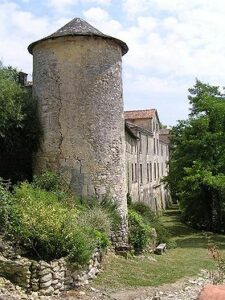
Medieval castle at the bottom of Marilyn’s garden

Living on a French hilltop, with a medieval castle at the bottom of our garden, Roman remains beside a river in the valley, and with the Hennessey Cognac estate on one side, Martell on the other — I couldn’t ask for a lovelier or more tranquil setting.

Okay, there are diggers outside at the moment, replacing water pipes in the very same trenches the electricity people dug (then filled in) exactly one week before. But usually the loudest sound is birdsong, and the mewing of buzzards circling overhead. Just the ticket when you come home bursting with ideas that need to be turned into stories without distractions. From Sicily to Arizona, Sweden to Nova Scotia, I find inspiration everywhere.

Sweden? That was when we were walking a little out-and-back coastal path — worryingly easy to imagine two people going out, but only one of them coming back.

Nova Scotia? Who wouldn’t be inspired by the biggest disaster no one’s ever heard of, when a French ship carrying enough explosives to end the First World War collided with a Norwegian ship coming the wrong way up the channel? The explosion took close to 2,000 lives, injured 9,000 more, destroyed everything in a half-mile radius, spiked a tsunami, and scattered debris several miles inland.

Sicily drew me back to ancient history, inspiring the second book in the Claudia Seferius series, Virgin Territory, as well as Blind Eye — set in Ancient Greece this time, rather than Rome — and debunked the myth of the Cyclops.

As always, Arizona never fails to deliver, especially when my story ‘The Wickedest Town in the West’ scooped an Ellery Queen’s Mystery Magazine award, of which I am ridiculously proud.

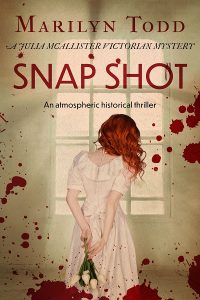
But while we travel a lot, not everything I write is inspired by breathtaking scenery, adventures and legends. My first series with Sapere Books, which kicked off with Snap Shot, was influenced by the emerging science of forensic evidence at the end of the nineteenth century, and the importance of studying crime scenes. Hence Britain’s first crime scene photographer, Julia McAllister.

My new Firefly series, coming soon with Sapere, tackles the inequalities women faced in Edwardian times, especially domestic violence, which was banned between the hours of 10 p.m. and 7 a.m. because the noise interrupted other people’s sleep. Battling the system is Kitty Sullivan, who runs a gentleman’s club with a fleet of … let’s say exotic dancers, to fund a women’s refuge. Environments that, unsurprisingly, provoke dangerous situations, which Kitty faces down with charm, wit and, of course, a silver Derringer.

After all, there’s no point in having double standards, if you don’t live up to both of them.

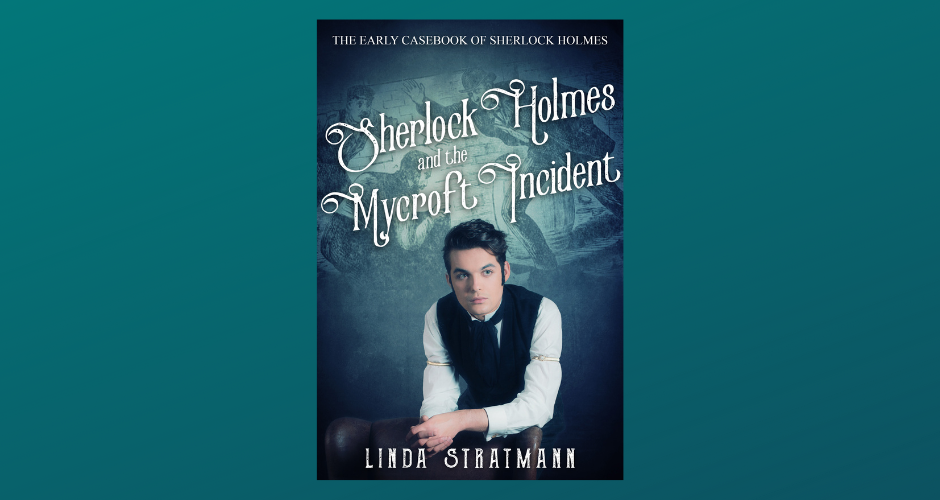
Sherlock Holmes and the Mycroft Incident is Published Today

Congratulations to Linda Stratmann, whose absorbing historical mystery, Sherlock Holmes and the Mycroft Incident, is published today!

Sherlock Holmes and the Mycroft Incident is the seventh Victorian crime thriller in the Early Casebook of Sherlock Holmes series.

1877

A trusted government courier, Anthony Cloudsdale, has gone missing after delivering some secret documents.

The police are questioning everyone who works at Whitehall, and their attention has been drawn to a young clerk, Joshua Emmett, who is in need of funds and might have been vulnerable to bribery.

Emmett is an old schoolfriend of Mycroft Holmes and Mycroft approaches his private-investigator brother, Sherlock Holmes for help.

Holmes and Mycroft collaborate with the assistance of Holmes’ trusted friend Mr Stamford, but each time they discover new information about Cloudsdale’s disappearance, it appears to provide evidence of Emmett’s involvement.

And when a body is found in the Thames, Emmett is arrested.

But is the body Cloudsdale’s? Can Sherlock prove Emmett’s innocence?

Or is Mycroft trying to protect a guilty man…?

Congratulations to J. C. Briggs!

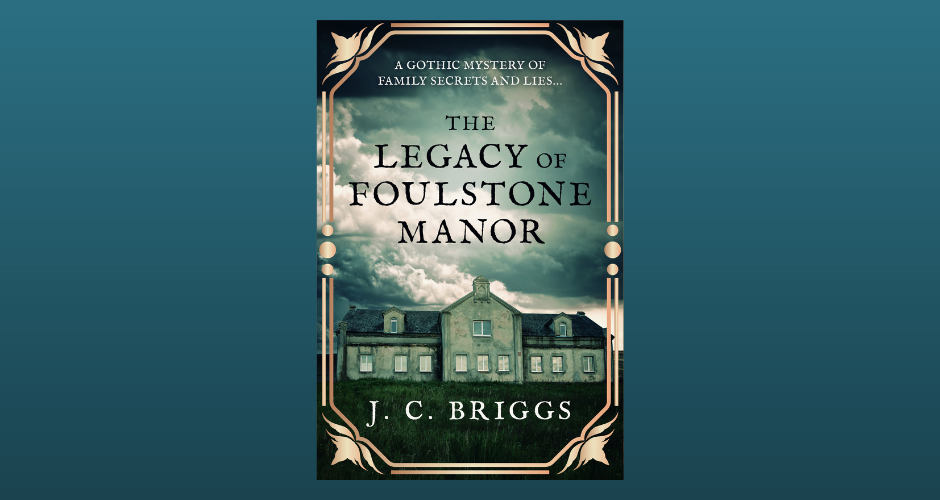
Congratulations to J. C. Briggs, whose atmospheric Gothic mystery, The Legacy of Foulstone Manor, is published today!

Westmorland, England, 1970

Dark and imposing in a bleak landscape, Foulstone Manor stands abandoned on the edges of the Lake District.

Reclusive Joan Goss inherited Foulstone, but her fragmented memories of her childhood there still disturb her and she keeps her distance in a cottage on the outskirts of the land.

Joan was brought up by adoptive parents after her mother died and her father abandoned her.

And she has spent her adult life haunted by the dark rumours of her past.

When Joan’s niece Amanda comes to stay with her, she is finally forced to confront the secrets behind Foulstone Manor.

Records show that Joan’s father committed suicide. But what happened to her mother? And why was Joan never told the truth about her childhood?

As Joan uncovers her mother’s diary, the full truth of her parents’ marriage is revealed.

Did his traumatic experiences in the First World War force her father into an early grave? What caused Joan’s mother’s untimely death?

Can Joan come to accept the inheritance that she has always rejected…?

Sapere Books Sign New Early Casebook of Sherlock Holmes Books by Linda Stratmann

We are thrilled to announce that we have signed three new instalments of the Early Casebook of Sherlock Holmes series by Linda Stratmann.

Book 1 in the Early Casebook of Sherlock Holmes series

The series follows the adventures of Sherlock Holmes and his acquaintance Mr Stamford during their years at St Bartholomew’s Medical College.

In Linda’s words:

“I am delighted to have signed with Sapere for three more books in the Early Casebook of Sherlock Holmes series, my chronicle of his youthful adventures.  In these next three we will meet a young Mycroft, enter the world of theatrical illusions, and encounter a devious confidence trickster with a mysterious device.

“My grateful thanks are due to the dedicated team at Sapere Books, for their invaluable support, and the friendly encouragement of the growing family of Sapere authors.”

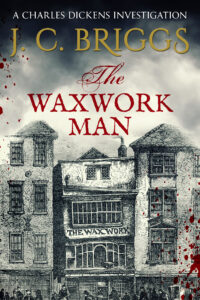
The Waxwork Man is Out Now!

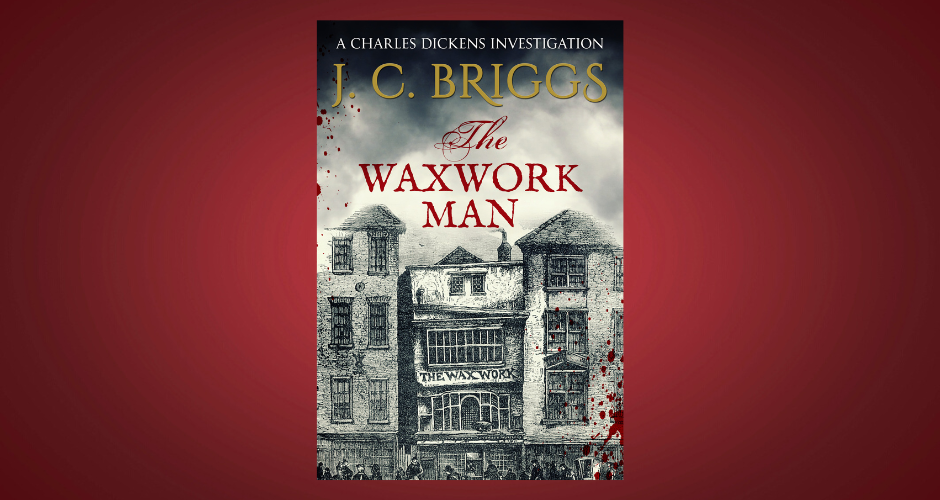
Congratulations to J. C. Briggs, whose captivating historical adventure, The Waxwork Man, is out now!

The Waxwork Man is the eleventh book in the Charles Dickens investigations, a traditional British detective series set in Victorian London.

London, 1851

While visiting Madame Tussaud’s Chamber of Horrors, Charles Dickens crosses paths with Sir Fabian Quarterman, a judge famed for his ruthlessness in court.

Dickens reluctantly accepts an invitation to accompany Quarterman back to his mansion, where he claims to keep a gallery of waxworks that surpass Madame Tussaud’s. To his dismay, Dickens finds that they are all effigies of women who were sentenced to death or who died in brutal circumstances.

The day after Dickens’s visit, Quarterman is found dead in his gallery, his face frozen in an expression of terror. When Dickens views the scene with Superintendent Sam Jones of Bow Street, he believes that one of the waxwork women is missing.

Though the cause of Quarterman’s death is assumed to be apoplexy, Dickens is convinced that there are more sinister forces at work. And when waxwork women begin mysteriously appearing around London and two more men are found dead in suspicious circumstances, Dickens and Jones must once again embark on a search for a deranged criminal…

What happened to the missing waxwork? Did someone seek revenge on the judge?

And can Dickens unearth the secrets of the dead…?

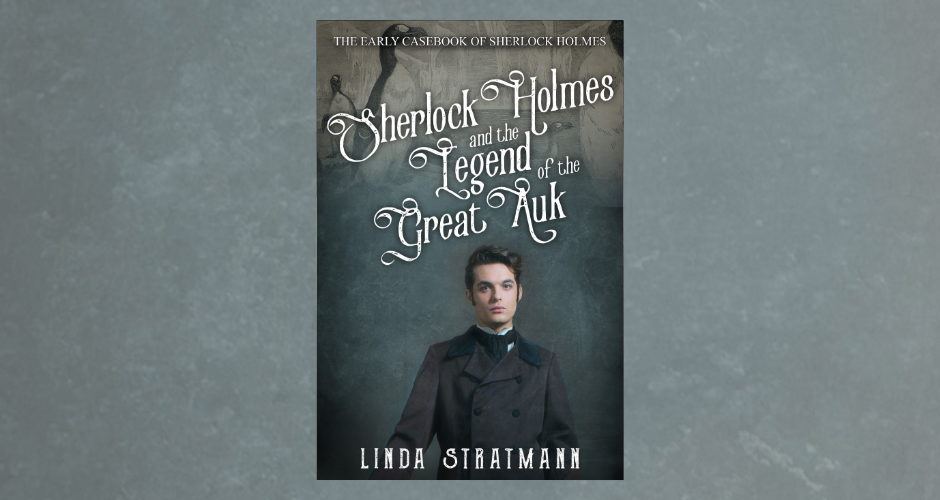
Sherlock Holmes and the Legend of the Great Auk is Published Today

Congratulations to Linda Stratmann, whose atmospheric historical mystery, Sherlock Holmes and the Legend of the Great Auk, is published today!

Sherlock Holmes and the Legend of the Great Auk is the fifth Victorian crime thriller in the Early Casebook of Sherlock Holmes series.

London, 1877

The unveiling of a new specimen of the extinct Great Auk leads to accusations of fraud against the British Museum and a ferocious attack on the exhibit by ornithologist Charles Smith.

Sherlock Holmes is tasked with saving the reputation of the museum, but before long, Smith is found murdered.

Police think it was a random robbery gone wrong but when Holmes examines the crime scene, he is sure there is more to it.

Aided by his loyal friend Mr Stamford, Holmes is determined to discover if the museum has something to hide.

Is there more to the legend of the Great Auk? Why has this exhibit attracted so much controversy?

Could more lives be in danger…?

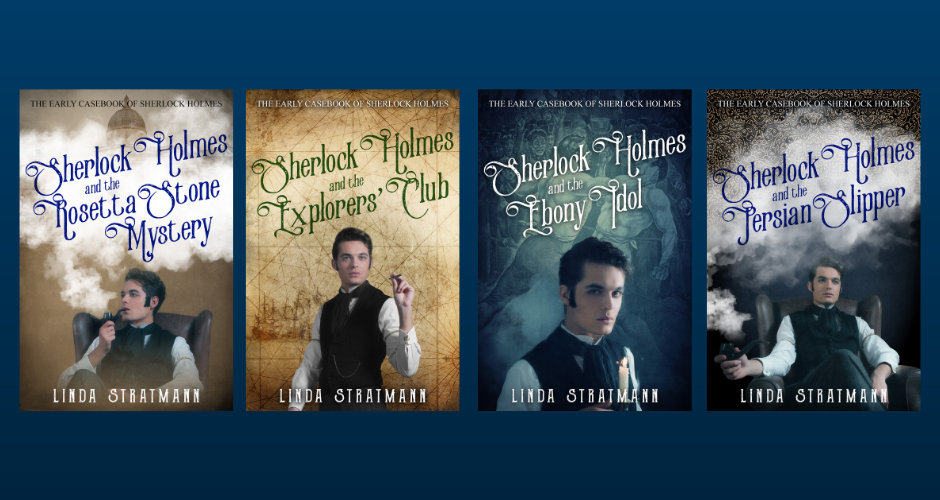
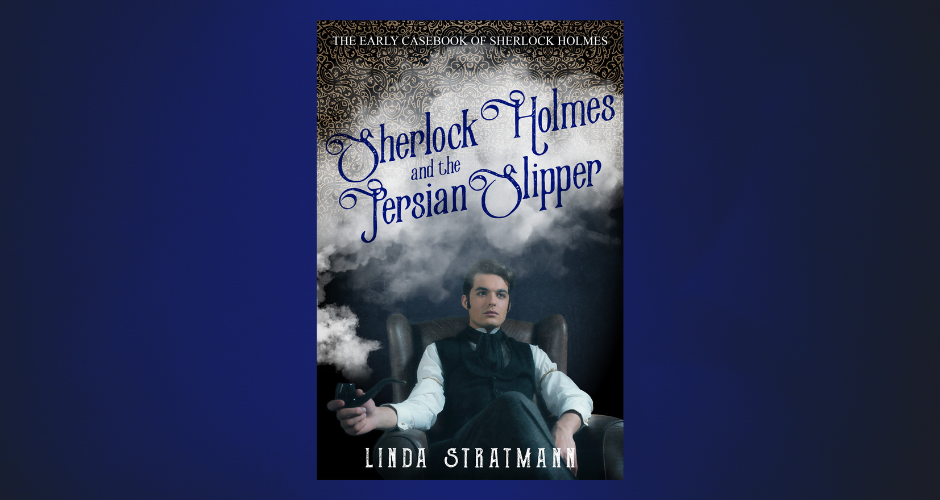
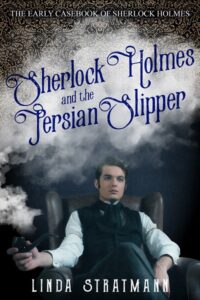
Sherlock Holmes and the Persian Slipper is Published Today

Congratulations to Linda Stratmann, whose eerie historical mystery, Sherlock Holmes and the Persian Slipper, is published today!

Sherlock Holmes and the Persian Slipper is the fourth Victorian crime thriller in the Early Casebook of Sherlock Holmes series.

London, 1877

When medical student Mr Stamford is visited by his cousin, Lily, he is disturbed by the sinister tale she relates.

Lily’s friend, Una, has recently inherited an old country house and settled down to married life in Coldwell, a small Essex village. However, Una’s letters to Lily indicate that she is alarmed by her new husband’s secretive behaviour — especially when she discovers a gun in his drawer, tucked inside a Persian slipper. Fearing for her friend’s safety, Lily asks Stamford to pay Una a visit.

To his dismay, Stamford arrives in Coldwell to find that Una’s husband, John Clark, has been found dead, lying in bed with a gunshot wound in his chest. Close examination reveals that the bullet was fired from Clark’s own gun, through the toe of the slipper.

Stamford loses no time in alerting his acquaintance, Sherlock Holmes — an artful young sleuth — hoping that he can shed some light on Clark’s death.

As Holmes and Stamford begin to probe Clark’s past, it soon becomes obvious that he had plenty to hide. And when Holmes hears of further suspicious disappearances, he starts to search for the connection between the sinister mysteries…

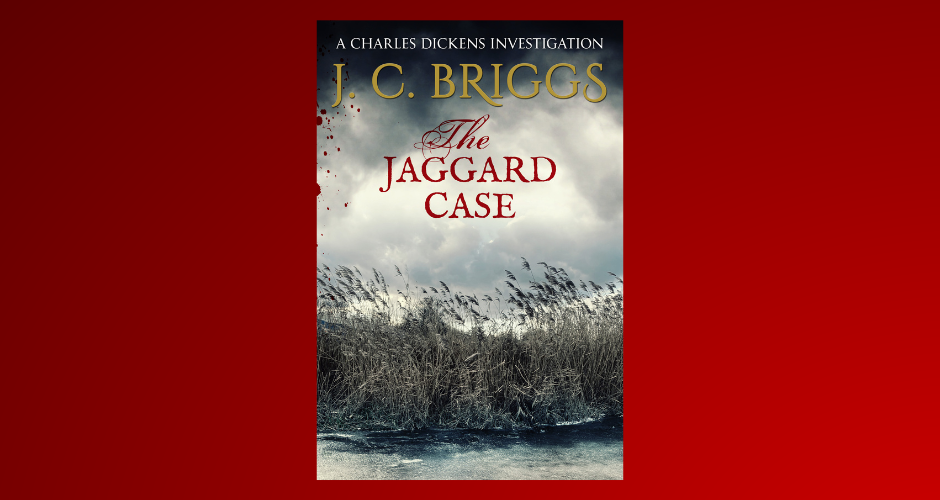
Happy Publication Day to J. C. Briggs!

Congratulations to J. C. Briggs, whose thrilling Dickensian adventure, The Jaggard Case, is published today!

The Jaggard Case is the tenth urban mystery in J. C. Briggs’ literary historical series, the Charles Dickens investigations, a traditional British detective series set in Victorian London.

London, 1851

With Superintendent Sam Jones away in Southampton on the trail of missing murderer Martin Jaggard, his wife, Elizabeth, enlists the help of Charles Dickens when her beloved servant, Posy, goes missing.

Meanwhile, Jones apprehends Jaggard’s mistress, Cora Davies, who is in possession of stolen jewels belonging to Jaggard’s murder victim, Sir William Pell.

But Jones is no closer to finding the man himself, so he returns to London where he believes Jaggard may be hiding.

Dickens and Jones discover that their separate cases both have links to Clerkenwell – a notorious haunt for criminals and forgers.

And when they suspect they are being followed, they realise Jaggard may be onto them.

Was Jaggard behind Posy’s abduction? Is the servant girl still alive?

Or will more victims be found dead in the mysterious Jaggard Case…?

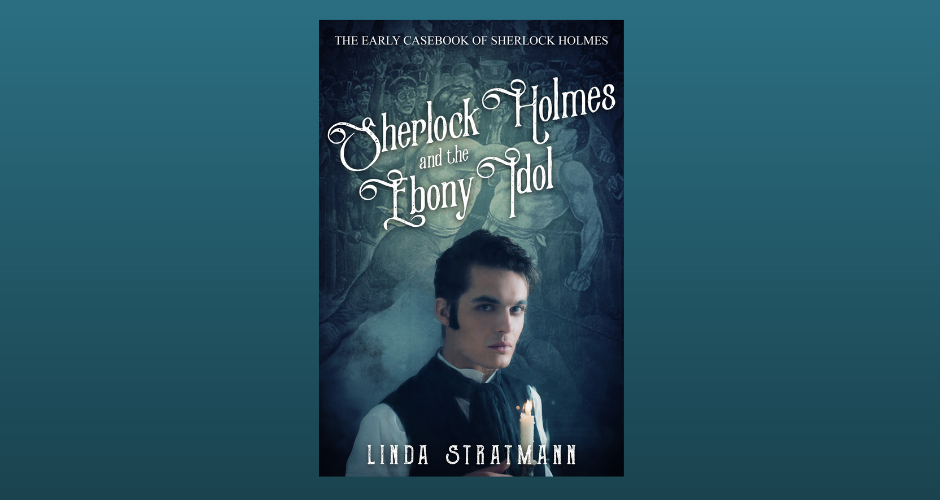
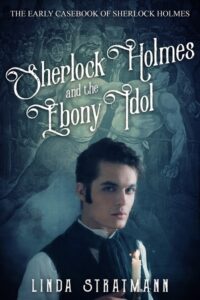
Sherlock Holmes and the Ebony Idol is Out Now

Congratulations to Linda Stratmann, whose gripping historical mystery, Sherlock Holmes and the Ebony Idol, is published today! Sherlock Holmes and the Ebony Idol is the third Victorian crime thriller in the Early Casebook of Sherlock Holmes series.

When a pugilist dies at a local boxing demonstration attended by medical student Mr Stamford and his acquaintance Sherlock Holmes, a post-mortem reveals the death is due to natural causes.

But when the corpse of another boxer is discovered clutching a small wooden carving – the ebony idol – Holmes begins to suspect that sinister forces are at work.

His suspicions seem confirmed when the companions hear about a previous death in the ring.

Tasked by the man’s widow to bring his killer to justice, Holmes and Stamford are swiftly drawn into their most curious case to date.


Click here to order Sherlock Holmes and the Ebony Idol

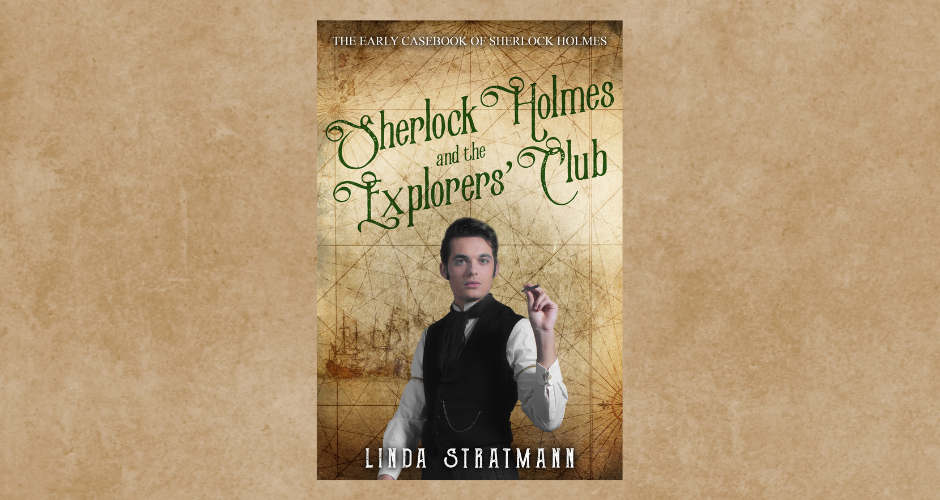
Sherlock Holmes and the Explorers’ Club Published Today

Congratulations to Linda Stratmann, whose fabulous historical mystery, Sherlock Holmes and the Explorers’ Club, is published today!

Sherlock Holmes and the Explorers’ Club is the second Victorian crime thriller in the Early Casebook of Sherlock Holmes series.

When the preserved foot of a dead man with extra toes arrives at St Bartholomew’s Medical College, the students are fascinated. However, despite this unusual feature being reported in the press, the man’s identity remains a mystery.

Intrigued by the puzzle, medical student Mr Stamford calls on his acquaintance Sherlock Holmes — an eccentric but brilliant young sleuth — to help him learn more about the deceased.

With only the man’s boots and a few possessions to examine, Holmes relishes the challenge. He soon finds a coded message hidden inside the man’s purse, which suggests a possible connection to criminals or spies.

Over the course of their investigations, Holmes’ and Stamford’s suspicions are strengthened when they learn of further shocking deaths. It soon becomes apparent that the men who died all belonged to the mysterious Explorers Club — and the lives of the remaining members may also be in danger.

Although the deaths look like accidents, Holmes is convinced that the men were murdered. And with conspiracy and intrigue lurking at every turn, he must now expose the secrets of the Explorers’ Club before the next member meets a grisly end…


Click here to order Sherlock Holmes and the Explorers’ Club

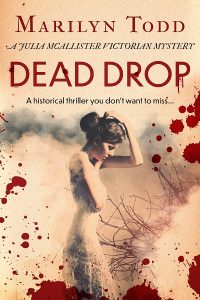
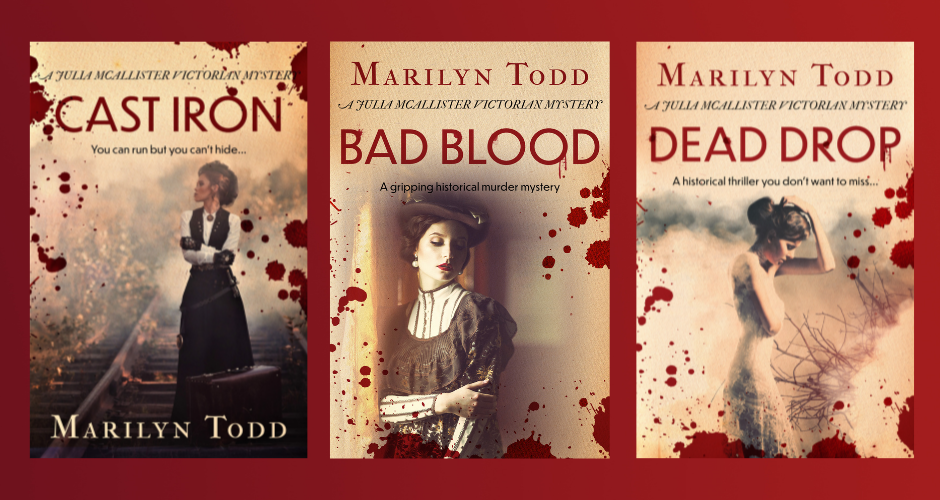
Dead Drop Published Today

Congratulations to Marilyn Todd, whose gripping historical mystery, Dead Drop, is published today!

Dead Drop is the fourth book in the Julia McAllister Victorian Mystery series: thrilling British detective novels with a courageous woman sleuth at the centre.

Seeing an easy way to pay off her debts, Julia McAllister takes in three female lodgers from a travelling show.

With musical halls more popular than ever, Buffalo Buck’s Mild West is the perfect antidote to the noise and smoke belching out of the factories, and the tide of Julia’s fortune quickly turns.

Until one of the three girls is found hanging under a bridge.

Julia doesn’t believe it was suicide. Annie had been excited about the future, not depressed.

And when another body is found on the railway line, a distraught widower, inspired by Julia’s role as crime scene photographer, asks for her help as the police are refusing to give out any details.

When Julia raises the matter with Detective Inspector John Collingwood, he explains that they’re keeping the case close to their chest because the body had ligature marks, showing he’d been chained up. Their fears are that this is just the tip of a particularly nasty iceberg.

Is Annie’s death connected to the body on the railway? Can Julia work with Collingwood to solve the mystery?

Or will the secrets they uncover put their lives in grave danger…?


Click here to order Dead Drop

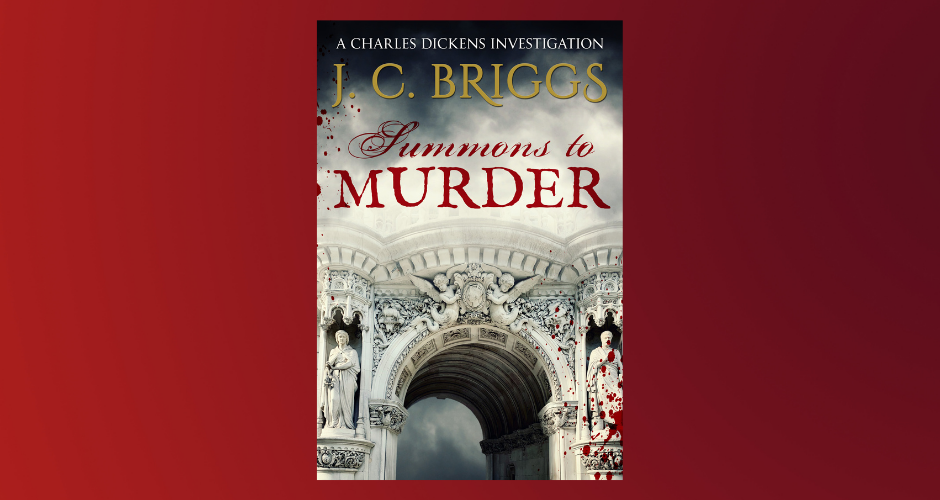
Summons to Murder Published Today

Congratulations to J. C. Briggs, whose absorbing historical mystery, Summons to Murder, is publishing today!

Summons to Murder is set in Victorian England and is the ninth book in the Charles Dickens Investigations series.

Pierce Mallory, a gentleman journalist, is found dead in his lodgings with a gunshot wound in his head and a duelling pistol beside him.

Though the death is deemed a suicide, Mallory’s friends — including Charles Dickens — don’t believe that he would have taken his own life.

Dickens therefore returns to the scene of Mallory’s demise, along with Superintendent Sam Jones from Bow Street. On further investigation, they soon find evidence that Mallory was murdered.

A notorious philanderer, there are plenty of people who could have wanted Mallory dead — including abandoned lovers and jealous husbands.

And as Dickens and Jones dig further into Mallory’s personal affairs, it seems that there are more shocking scandals waiting to be uncovered…


Click here to order Summons to Murder

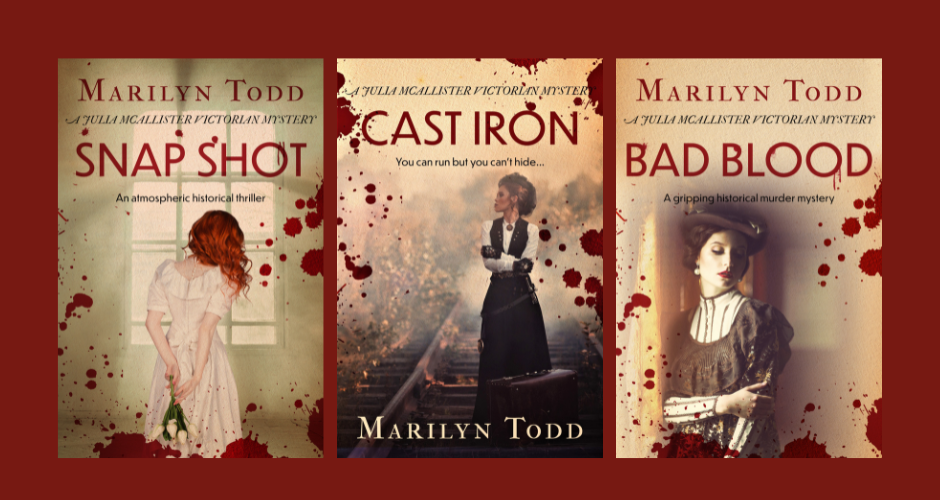
BAD BLOOD by Marilyn Todd

Marilyn Todd is the author of the Julia McAllister Victorian Mystery series: historical murder mysteries with a courageous woman sleuth embarking on traditional British private investigations in nineteenth-century London.

The case of the Lindbergh baby is infamous. In March 1932, he was snatched from his nursery, a ransom note left in his place, and although the money was paid, two agonising months passed without news. It was pure chance that his body was found, thrown or dumped just off the highway, suggesting he was killed almost immediately after his abduction.

I don’t know if it was because Charles Lindbergh was famous — the first man to fly solo across the Atlantic — but it struck me that all the sympathy for this horrific crime went to the father, rather than both parents. I desperately wanted to change that.

In Bad Blood — the third book in the Julia McAllister series — baby Thomas Forbes is also snatched from his nursery, and a ransom demand is left on the pillow. The difference here is that the money is never collected, and the baby never found. When, eight years later, his father is murdered, Julia’s heart breaks for the woman brought to her knees by these two tragedies. As an amateur sleuth, Julia determines to do whatever it takes to find Thomas.

But as I plotted the novel, I was drawn into other injustices of the era. Not just the social inequalities — class, race and religious divides feature regularly in my books — but also the impact of being a pawn in the marriage game among the powerful and the wealthy. I wanted to explore the misery that comes from being a strong woman trapped in a weak man’s world.


Click here to pre-order BAD BLOOD

Click here to learn more about the Julia McAllister Victorian Mystery Series

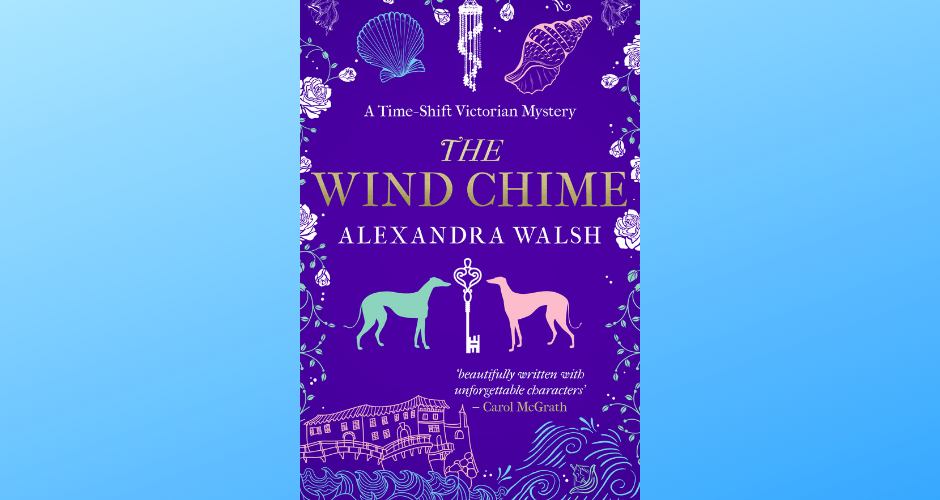
Sapere Books Signs a New Tudor Novel and a New Victorian Novel by Alexandra Walsh

We are delighted to announce that we have signed up the fourth instalment of Alexandra Walsh’s captivating Marquess House Series – dual timeline conspiracy thrillers with ingenious twists on Tudor and Stuart history – as well as the next novel in her new Victorian series.

In Alexandra’s words:

“It’s wonderful to have signed with Sapere Books to continue writing about my favourite eras: Victorian and Tudor. THE MUSIC MAKERS tells the tale of another branch of the family tree established in THE WIND CHIME (the first novel in my new Victorian series). THE MUSIC MAKERS follows two timelines: one set in the Victorian era and one set in the present day. The Victorian timeline follows the life of Esme Blood, a singer and performer in the music halls and theatres of London. Adopted at birth, Esme has no desire to find her birth mother, but fate has other plans. In the present day, Eleanor Wilder is recovering from a serious illness and has returned to the family farm in Pembrokeshire to rebuild her life. Delving into Esme’s life, she uncovers a tale of love, loss and survival, all of which help her to unravel her own problems and those of the man who has unexpectedly arrived in her life.

“My other forthcoming book, THE JANE SEYMOUR CONSPIRACY, is a return to Marquess House. Although I had always intended this series to be a trilogy, when I completed it in 2020 it felt as though there was more to tell. I resisted for a while but when Perdita, Piper and Kit began interrupting my research with suggestions, I realised my trilogy was about to expand. Having always pitched it as three-book series, I was unsure how Sapere Books would feel about it continuing, but my editor, Amy Durant, said she would be delighted to return to Marquess House.

“THE JANE SEYMOUR CONSPIRACY follows Perdita and Piper as they fully embrace their lives at Marquess House. A friend of Kit’s asks for advice on a manuscript that has been in his family’s archive for generations, which seems to suggest an entirely new interpretation of the events leading up to Anne Boleyn’s execution, Jane Seymour’s marriage to Henry VIII and the death of the king’s only acknowledged illegitimate son, Henry Fitzroy, Duke of Richmond and Somerset. In the present, danger reaches out to Perdita and Piper again as they realise their battle with the Connors family is far from over. THE JANE SEYMOUR CONSPIRACY will be released in 2022.

“Being part of the Sapere Books family is one of the best things about being published; Amy, Caoimhe, Richard, Natalie, Matilda and Helen make everyone feel so welcome and are a dynamic and forward-thinking team. My books could not be in safer hands. The weekly Zoom meet-ups with the other authors are fascinating, funny, inspiring and often educational! It’s a great feeling to be part of such a talented group of writers and publishers who are always willing to help or offer advice.”


Click here to find out more about The Marquess House Series

Click here to pre-order THE WIND CHIME

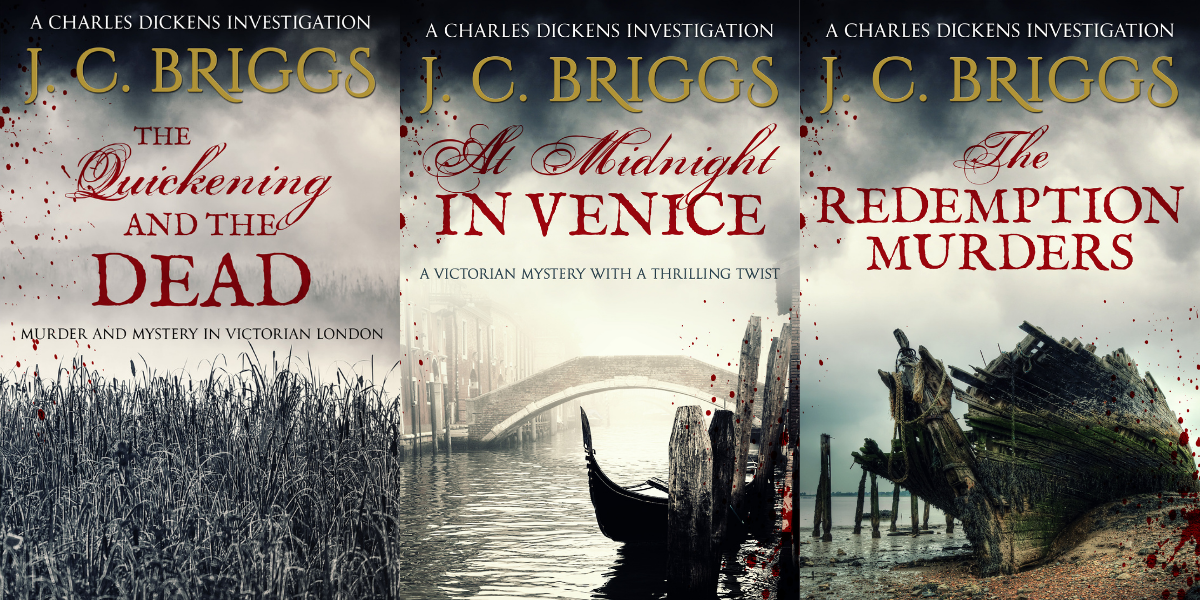
Sapere Books Sign Two New Historical Mysteries by J. C. Briggs

J C Briggs’ gripping Charles Dickens Investigations follow the famous writer-turned-detective as he dives into the seedy underbelly of Victorian London.

The first six books in the series have been published, and we are thrilled to announce that we have signed up the next two instalments.

In J C Briggs’ words:

“I am thrilled that Sapere Books are to publish two new cases featuring Charles Dickens and Superintendent Jones. Number seven in the series is THE HAWKE SAPPHIRES, which begins at Hawke Court, an almost derelict mansion where Sir Gerald Hawke is dying. His two wives and his only son are dead. His heir is a clergyman, Meredith Case, for whom Hawke has one last command. Hawke has commanded all his vicious life and expects to be obeyed. Meredith Case must ‘find Sapphire Hawke’, who vanished over twenty years ago.

“A chance meeting with Charles Dickens sends Case to the north of England. Meanwhile, Dickens and Superintendent Jones of Bow Street are investigating the death of a young man who was found on the steps of a bookshop.

“Charles Dickens begins to suspect that the two cases are connected. He and the young detective, Scrap, experience a frightening night at Hawke Court.

“Book eight in the series is THE CHINESE PUZZLE. On the first day of The Great Exhibition in May 1851, a Chinese man bowed before Queen Victoria. It was assumed that he was a representative of the Celestial Empire. He wasn’t. It was reported in the newspapers of the day.

“In THE CHINESE PUZZLE, behind the scenes the Home Secretary is furious at the breach of security. There have been attempts on the Queen’s life before.

“And also concerning for the government, a wealthy banker and former opium merchant of Canton vanishes on the first day of the Exhibition. The Prime Minister, Lord John Russell, appoints Superintendent Jones to carry out a most secret investigation. The case may involve high-powered bankers and politicians. Jones cannot afford to get it wrong. Only Charles Dickens can help him find his way about the houses of some very important people. There is danger from high and low when the case takes them to the East End opium trade and some very dangerous criminals.

“It really is great to work with Sapere Books again and to know that they have faith in my series. They are a wonderfully supportive publisher to all the writers in the Sapere family.”


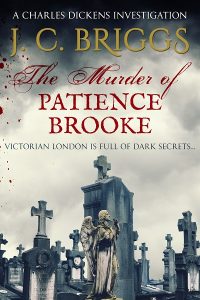
Click here to order THE MURDER OF PATIENCE BROOKE

Click here to find out more about the Charles Dickens Investigations

Sapere Books Sign a New Victorian-era Novel by Alexandra Walsh

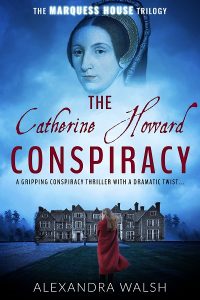
Following the publication of Alexandra’s Walsh’s captivating Marquess House Trilogy – dual timeline conspiracy thrillers with ingenious twists on Tudor and Stuart history – editorial director Amy Durant has signed her fourth book.

In Alexandra’s words:

“It’s very exciting to be working with Sapere Books on my new publication. THE WINDCHIME is a story that is very special to me, as it involves some of my own family history. Once again, it’s a dual timeline novel, with the split moving from the present day to the Victorian era. Set on the Pembrokeshire coast, it involves a multi-generational family with a secret at their heart. It also explores hereditary madness and the contrasting treatments of mental health in the Victorian era and the present day.

“A love story brings it all together as the present-day characters uncover the tragedy that took place in the past. I hope everyone enjoys this shift of era and will like my new characters. Once again, it’s been a pleasure to work with everyone at Sapere Books and be part of the Sapere family. Not only is the support and guidance of the publishing team of Amy, Caoimhe, Richard and Natalie, invaluable; the encouragement, friendship and advice of the other Sapere Books authors has been extremely helpful and has offered great inspiration.”

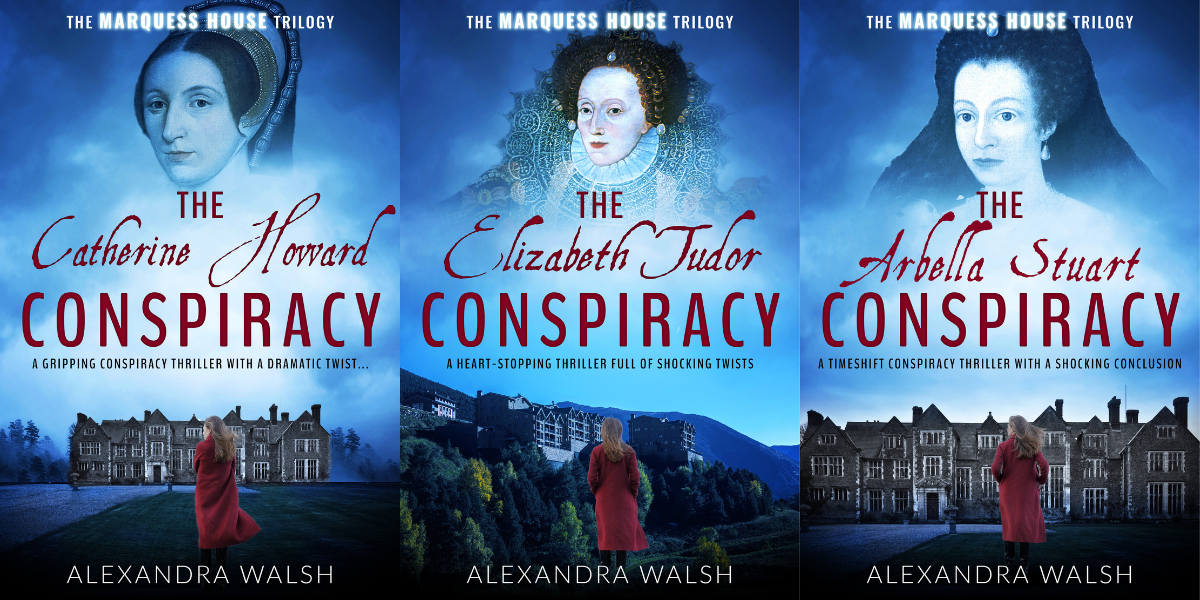
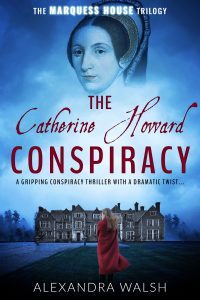
Click here to order THE CATHERINE HOWARD CONSPIRACY

Click here to find out more about The Marquess House Trilogy